WRITE ME A LETTER: My Obsession with Paper, Notebooks, and Pens (Part One)

When I decided to write this blog, I planned to focus on the lost art of letter writing and on how a book sparked a correspondence with a long-distance friend. Then I started remembering other aspects of writing, and more and more recollections surfaced, so this may be a two-part topic.

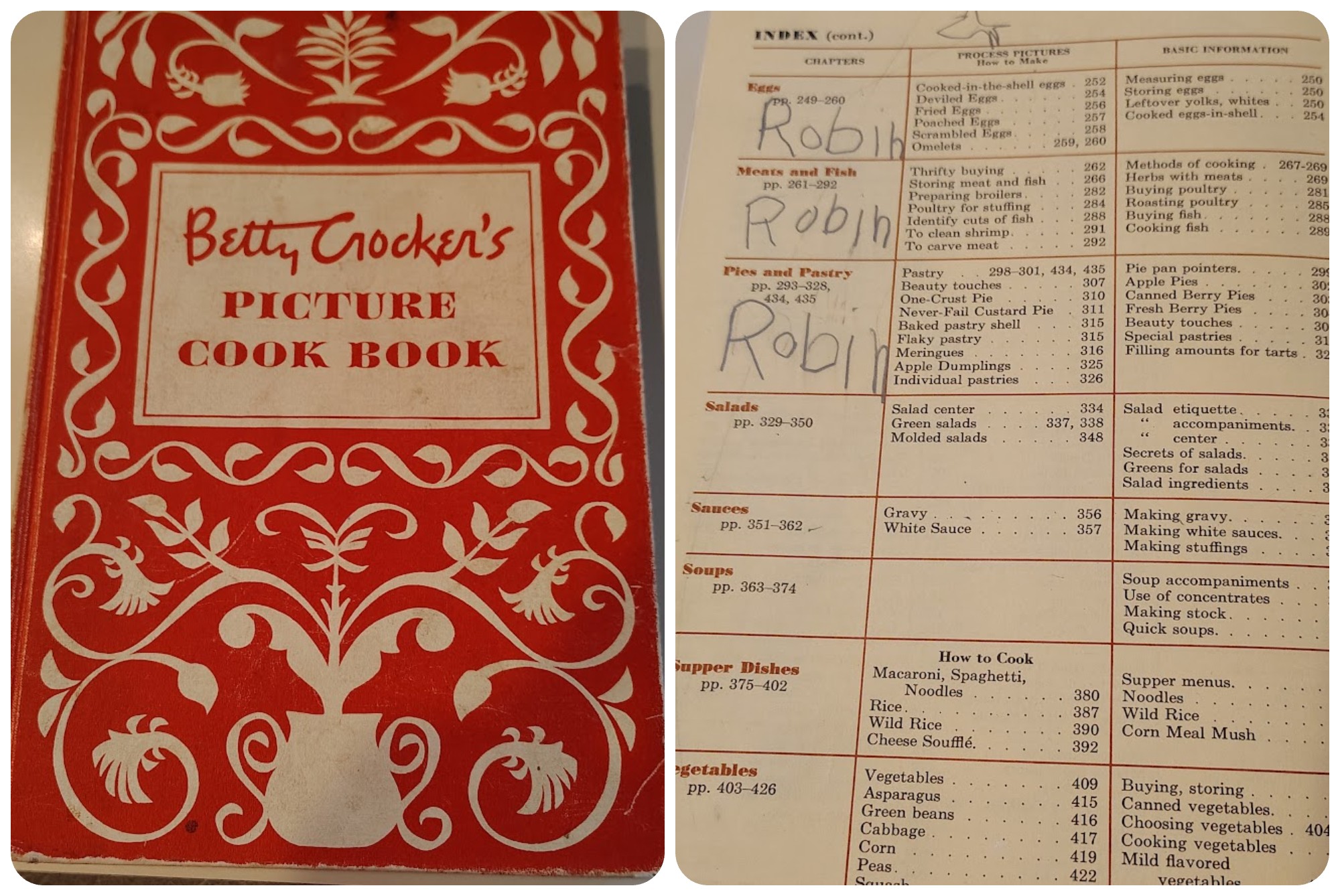
My love of paper, pens, and writing started waaaay back when I was learning to read and write my name. My first act of writing is forever held in perpetuity in the Betty Crocker Cookbook on my shelves. I had nothing else to write on, so I chose my mother’s cookbook to practice my name.
One of my memories of grade school days was the excitement of visiting the grade school in August to find out what we needed for school supplies. Who else can remember running up to the front doors to read the posted list of requirements for each grade? What I remember most was the disappointment when I didn’t qualify for anything higher than the 8-count box of Crayola Crayons, let alone the 64-count (although I doubt the 64-count was ever a requirement).

Checking out the recommended notebook paper from the grade school lists was another item that incited a frisson of excitement, especially when I no longer had to use the fat pencils and cheap brown tablets. In the fourth grade, my classmate, Linda Fredrickson, had the best 3-ring binder paper; it was college-ruled (not sanctioned by the supplies list!) and high-quality, which meant writing on it was smooth as silk. I loved that paper and have spent my life trying to locate a comparable product. But then, a few years ago, while perusing Walgreens’ stationery section, the angels sang when I discovered “stone paper” notebooks. I have multiple copies and use them for my Books of Books notebooks (they are the dark green notebooks in the blog photo); a highlight of finishing a book is using a favorite pen to note the title in my Oxford stone paper notebook.

(A side note: Linda became a good friend in junior high, but I’m sorry to say she led me down the road to near ruin by encouraging me to sneak out in the middle of the night and roam the streets of Cottage Grove. We had some, well, interesting adventures. She (and Cher) was the inspiration for my bangs during that time.)

“I Love the Smell of Ditto Paper in the Morning!”

No doubt there are many of my blog readers who have a pleasant memory of the freshly minted ditto/mimeograph papers passed out by the teacher. Who could resist smashing the paper onto our faces and inhaling that intoxicating chemical (surely carcinogenic) scent? I swear, if someone would develop it into a candle scent, it would be a bestseller. Am I right?

My next post will talk about my pen obsession and how I relearned the art of exchanging real letters.

So, what is your favorite memory of grade school supplies, and do you have a favorite notebook paper?
CASHIER DREAMS: Grocery Store Confessions

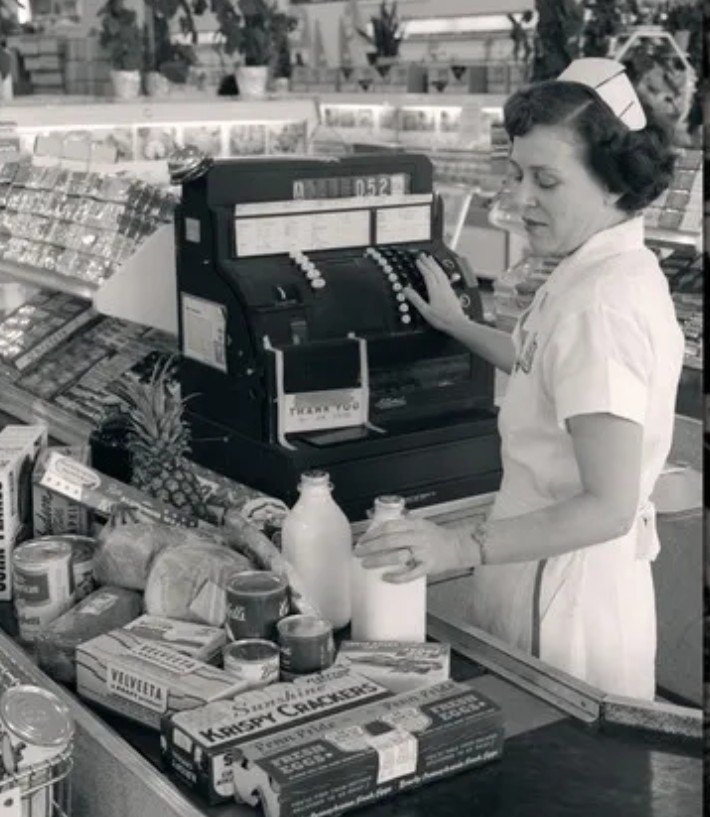
When I was young, one of my career aspirations was to be a grocery store cashier. I always loved working with all kinds of business machines (which is why I excelled at typing), and punching a cash register sounded like a whole lot of fun. I actually kept that dream until I met my father-in-law, who worked as a grocery store cashier for most of his life, and his hands were all gnarled from constant cash register work. Then self-checkout stands were invented, and despite my excitement about living my dream, the bloom soon faded.

But one thing that hasn’t ended is my fascination with trade jobs and I will read any kind of story where the author immerses themselves into a particular profession (usually undercover) and journals the experience. I tag them with the topic of “industry insiders.” Lest you think going deep into these kinds of jobs is boring, au contraire; they are all worth reading about.

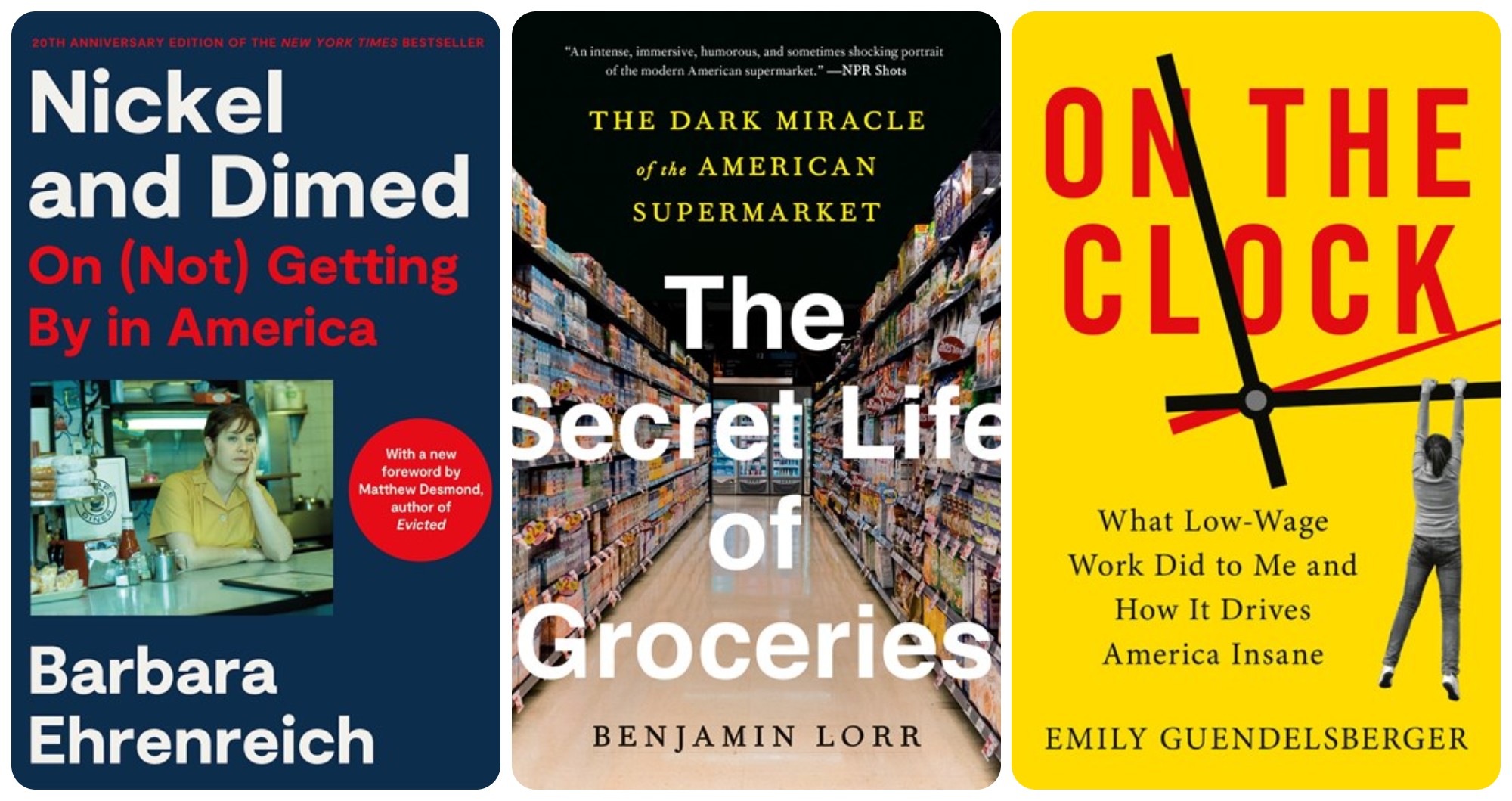
One of the first books on this topic was Nickel and Dimed: On (Not) Getting by in America by Barbara Ehrenreich, which became a bestseller and remains popular. Her reports of working as a waitress, hotel maid, house cleaner, and other minimum-wage jobs were eye-opening. Another book on the topic, On the Clock: What Low-Wage Work Did To Me and How It Drives America Insane by Emily Guendelsberger, chronicled the author’s work in an Amazon fulfillment center (before robots took over picking orders), as a call center representative for a cell phone company (more interesting tha one would think), and in a San Francisco McDonald’s. Another fascinating book is Benjamin Lorr’s The Secret Life of Groceries: The Dark Miracle of the American Supermarket, where the author takes us behind the scenes of the grocery business, working in Whole Foods, traveling across the country on a trailer truck, visiting a pig farm, and talking to a man who was forced to work for years on a Thai fishing boat (you may not want to read about where most of our shrimp comes from).  

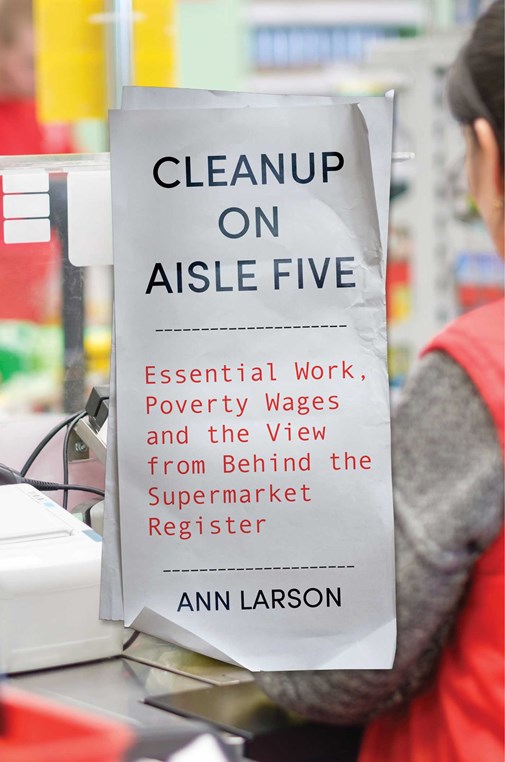
That brings me a new book coming out on June 9, Cleanup on Aisle Five: Essential Work, Poverty Wages, and the View from Behind the Supermarket Register by Ann Larson.

The author, a journalist, needed work during the pandemic, so she found a job as a supermarket cashier in Utah. In this memoir, she takes a deep dive into the inner workings of supermarkets and observes her co-workers as they deal with harsh conditions and poor management. Her reporting on self-checkouts was especially interesting. The main thing I took away from this is that I will never ever chastise or give a cashier a hard time — prices aren’t their fault; items ringing up incorrectly (hello, *#$%*@ digital coupons!) isn’t their fault, and if they are curt, their feet probably hurt, or they had to come to work with a terrible headache.

So I guess it’s time to give up my dream of working as a supermarket cashier and make do with typing games.