TIPSY READING: My Middle Teens

Before I continue with what I read over the course of my high school years, I have a puzzle I’ve never figured out, and probably never will. So the librarian at the Cottage Grove Library was “Miss Clark,” a stick-thin woman who I thought of as “elderly,” but who was probably in her 50s, maybe early 60s. A number of years later, she retired and was replaced by her daughter, also, “Miss Clark.” OK, so if the first librarian had a daughter, why was she “MISS Clark”? Today, I wouldn’t think much about it, but this was the early 1960s!

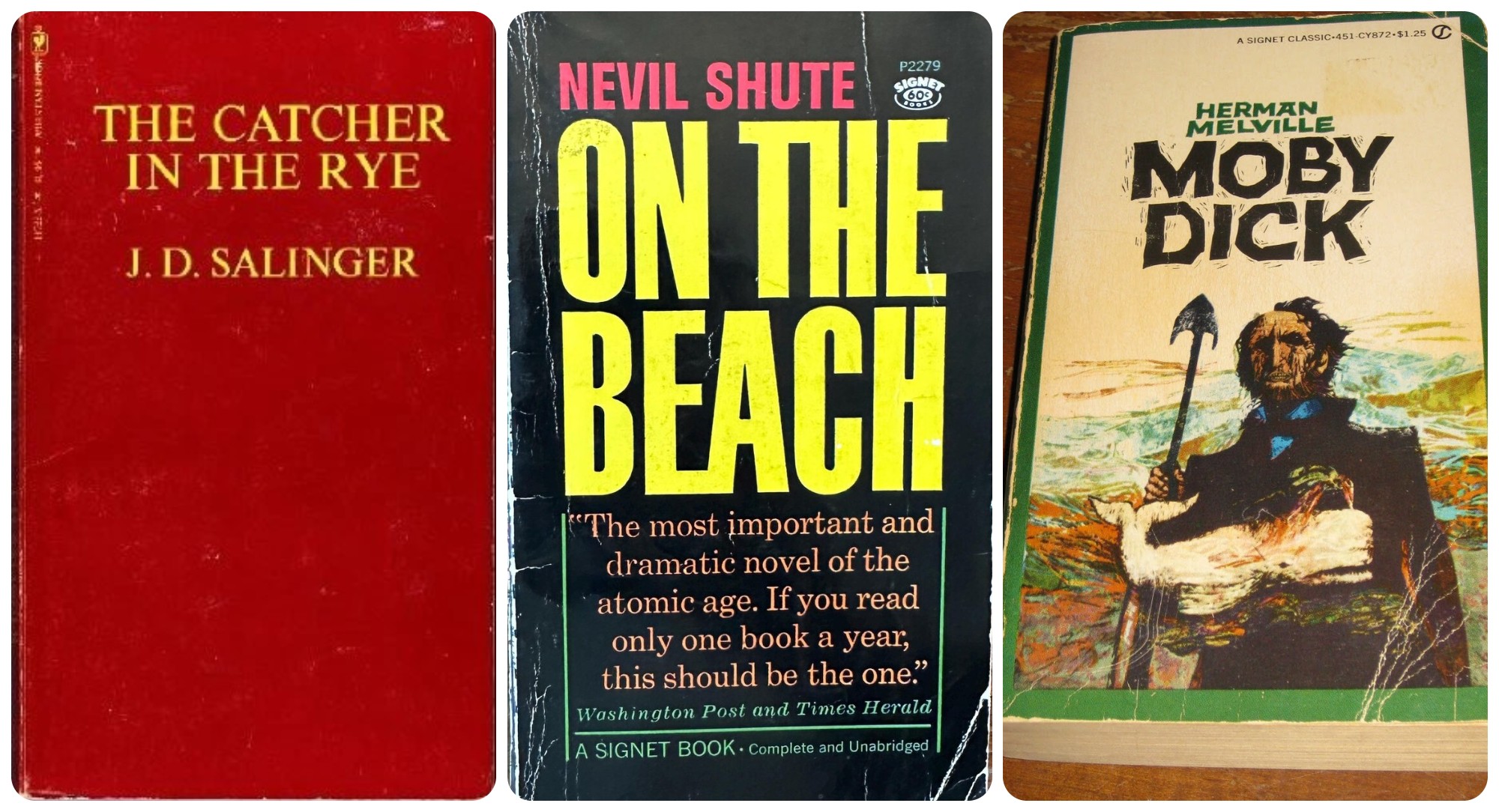
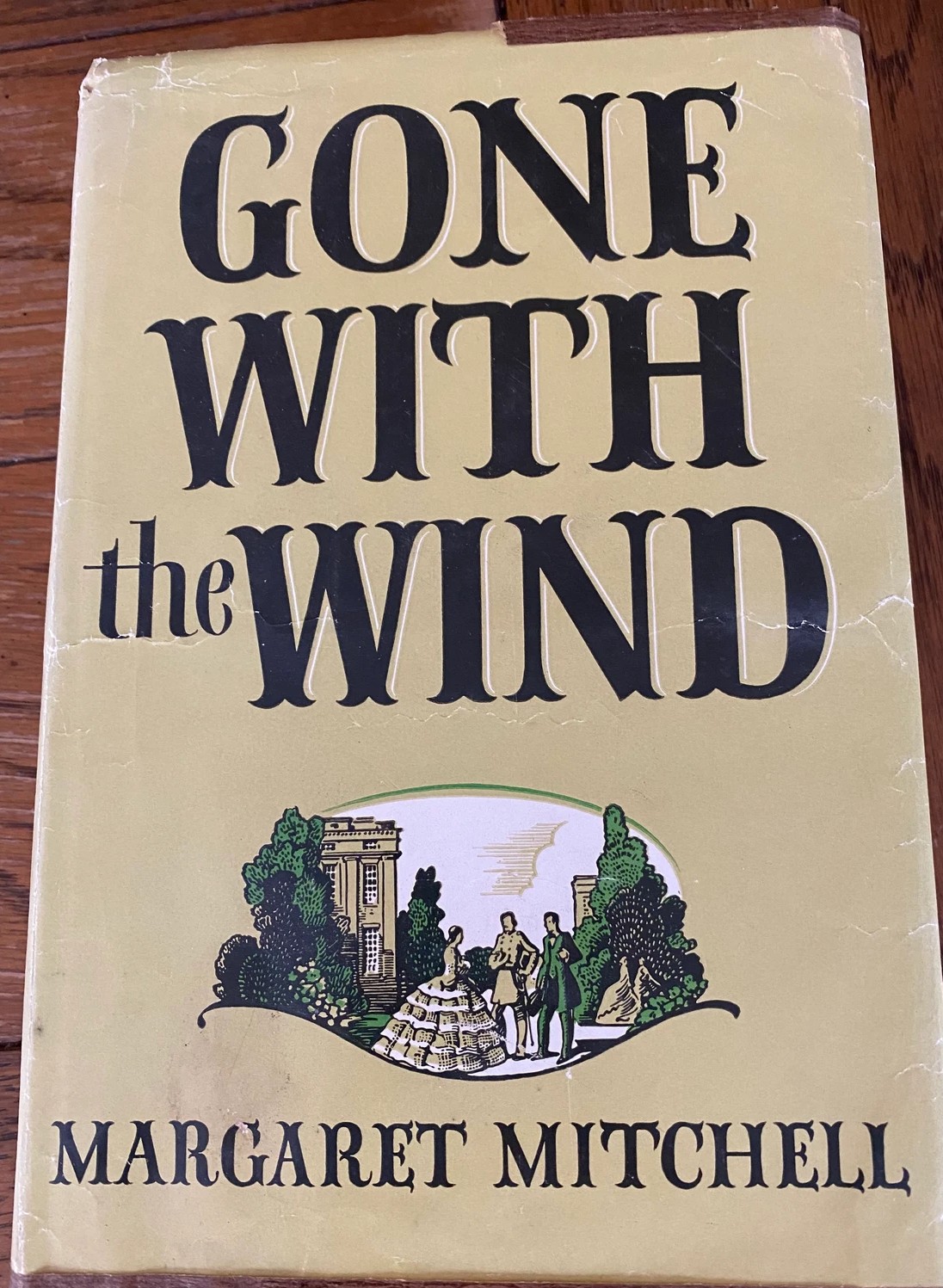
As I headed into my mid-teens, I had read all of the Harold Robbins and Victoria Holt books I could find, so it was time to focus on more “mature” reading. During the summer between 8th and 9th grades, I picked pole beans for school clothes money and read Gone With the Wind while “laying out” in the backyard (slathered in baby oil, natch). It was tough going, mainly because the edition I was reading had double-column text, but I struggled through, immersing myself in Civil War times with Scarlett and the gang.

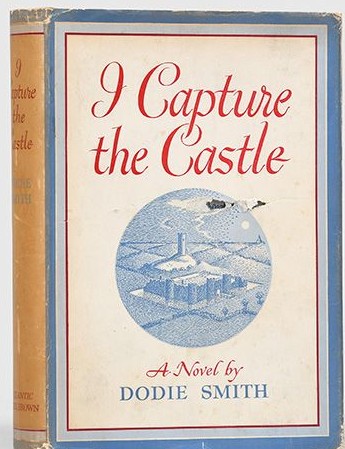
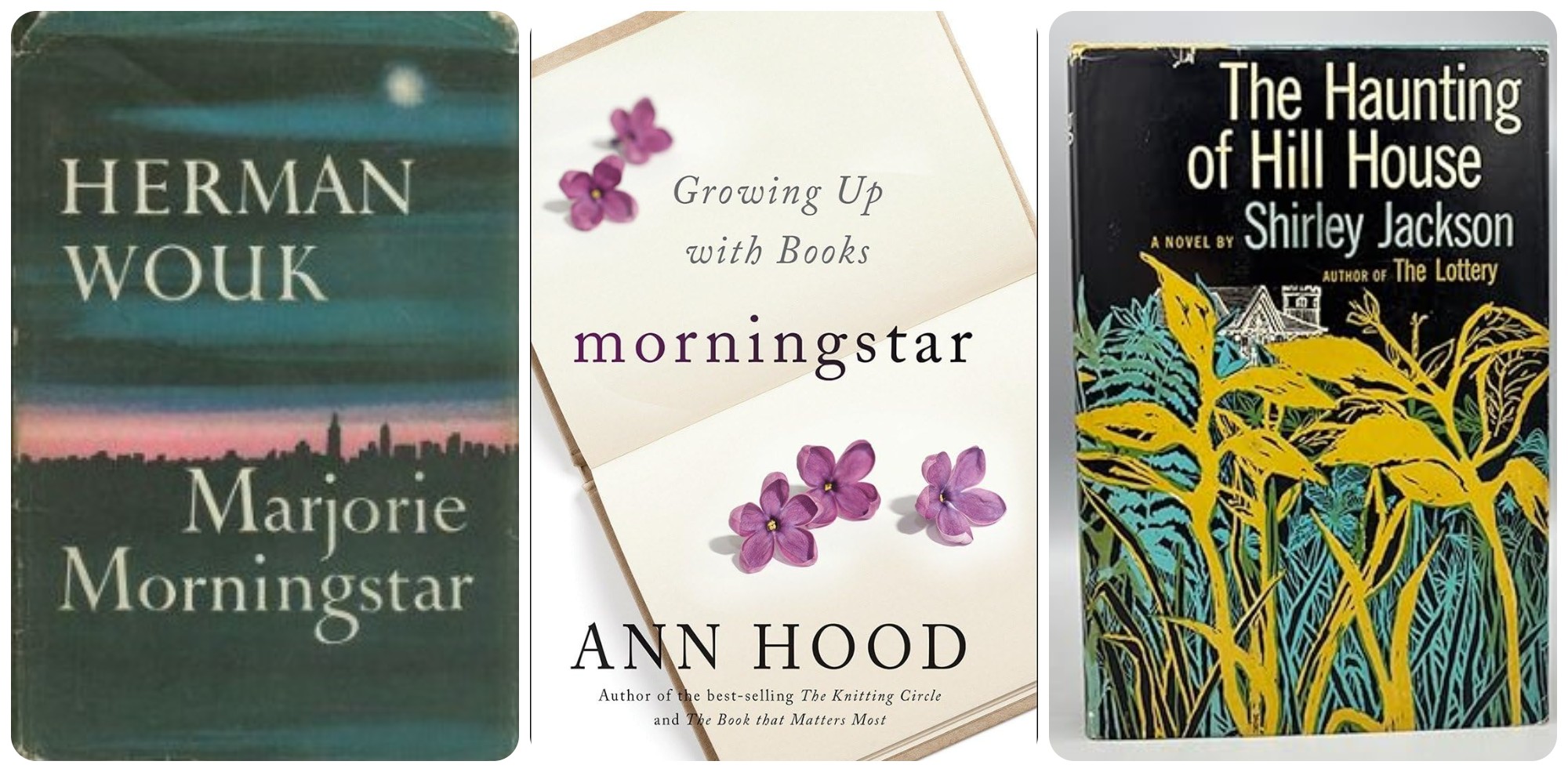
Other books I remember reading during my teen years included I Capture the Castle by Dodie Smith, which I loved because it was set in a crumbling manor and involved family drama; Marjorie Morningstar by Herman Wouk (a few years ago I loved Ann Hood’s Morningstar, a nostalgic look at her growing years, reading many of the same books I did); That Man Cartwright by Ann Fairbairn (if you can’t guess, I loved thick books); and the scariest novel ever written (in my opinion), The Haunting of Hill House by Shirley Jackson.

But there are three books that left an impression on me, two of which are because of the circumstances surrounding the setting, and the third, well, you’ll find out…

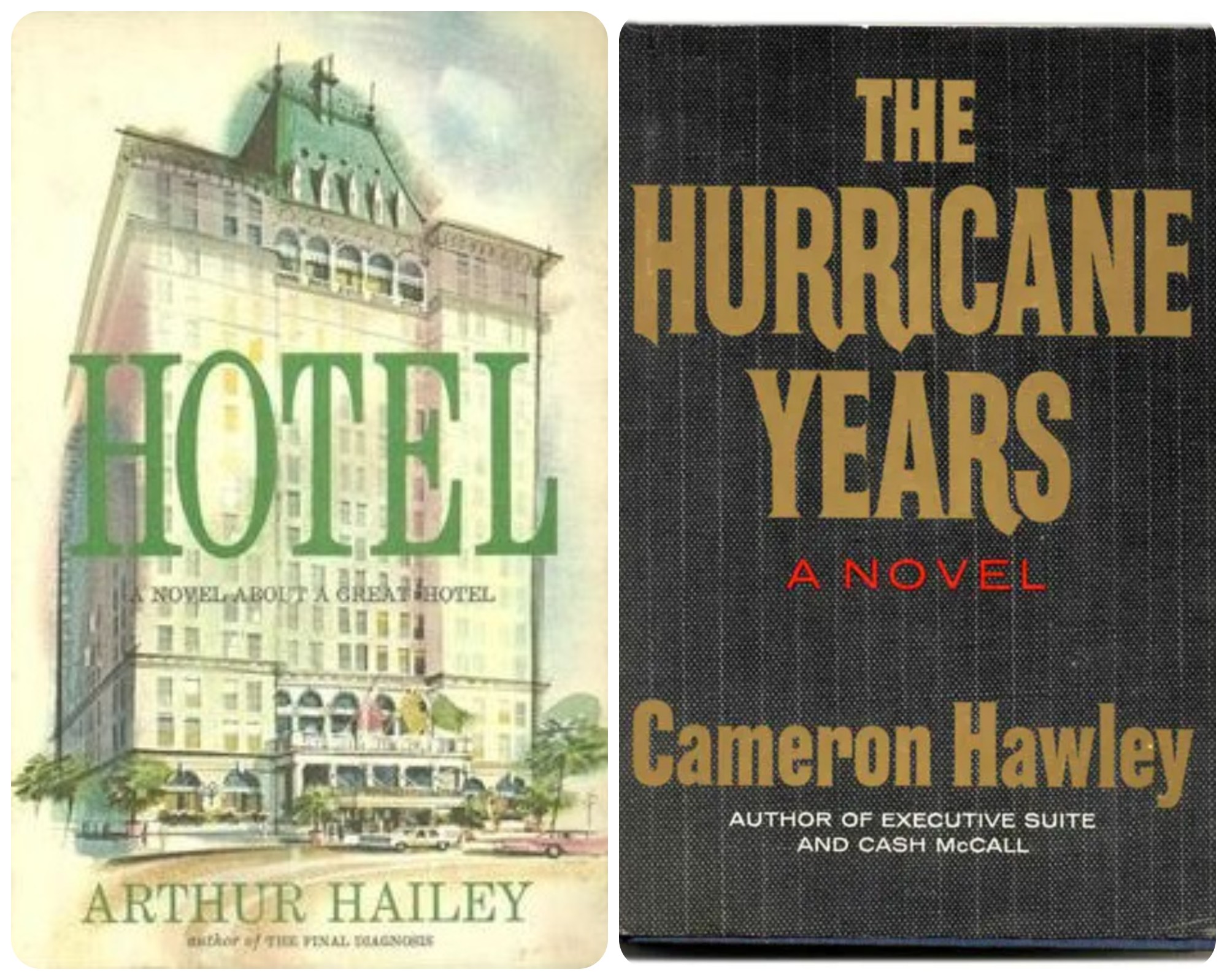
The first is Hotel by Arthur Hailey. I believe Hailey was one of the first authors to do what is now called “immersion journalism,” where extensive time is spent in a facility and then writing about it (think Nickel and Dimed). In 1964, he spent two months living at the Roosevelt Hotel in New Orleans and then wrote a novel based on the lodging’s inner workings.

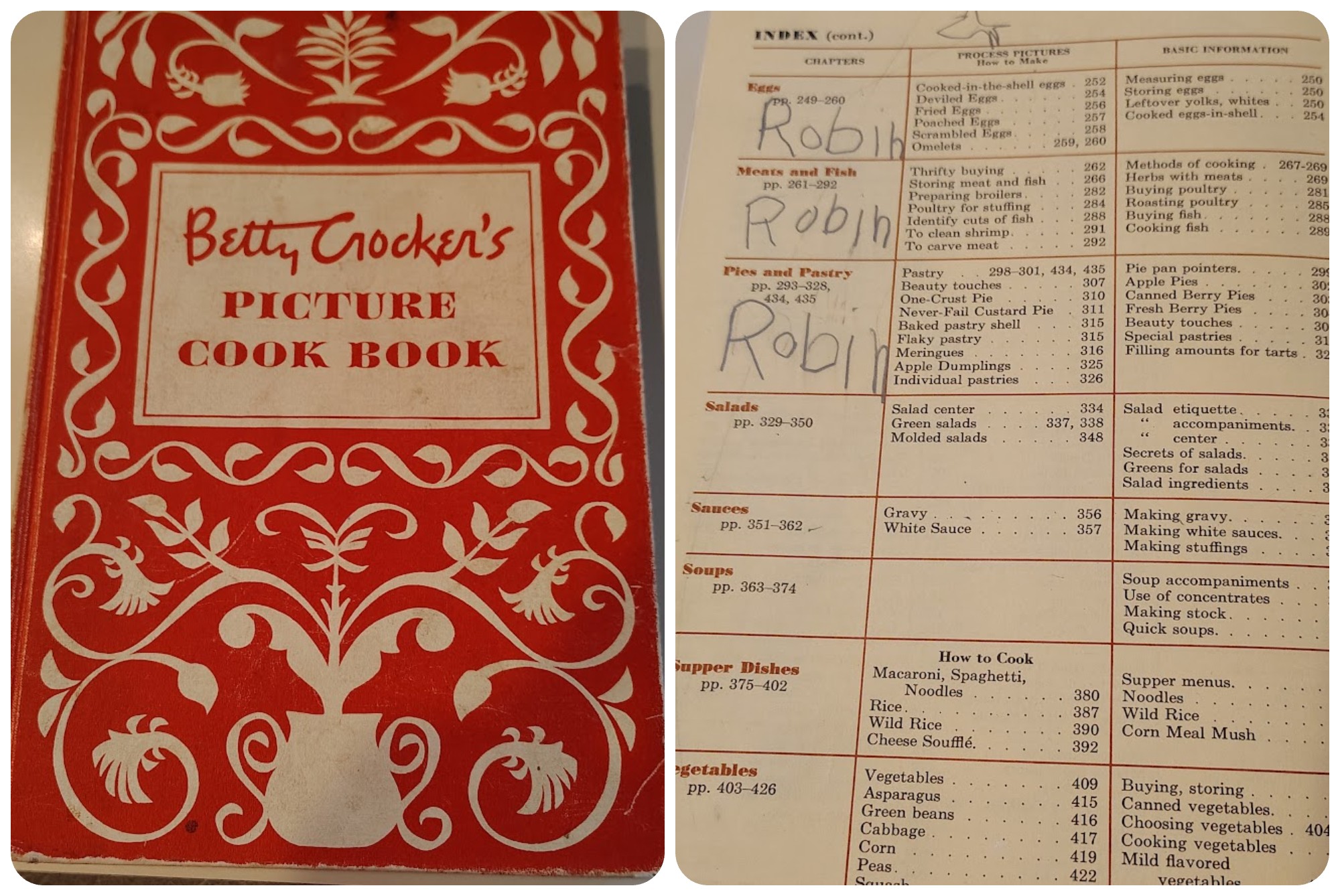
Anyway, I was about 15 years old and alone at home on a Saturday night, and I decided to try a bit of clandestine drinking from my parents’ alcohol stash. Well, to quote a book title by David Foster Wallace, that was “A Supposedly Fun Thing I’ll Never Do Again.” Not only was it difficult to read while the words swam across the page, but I also passed out (I wasn’t much for holding my booze and still aren’t). Anyway, once I got over my hangover the next day, I finished the book and thoroughly enjoyed it, which led to my continued fascination with books by “industry insiders.” (And no, my parents never found out.)

My second memorable reading experience didn’t involve drinking, but it still left a scar. I was “hired” (aka coerced) to babysit for a couple who were going out with my parents, so I had to do it in their motel room. OK, so the good news is that I remembered to bring a book, The Hurricane Years by Cameron Hawley, but the bad news is that I only had 45 pages left and overestimated how long it would take to finish it. So that meant I had to spend a couple of hours before everyone returned, with nothing to read, and the TV off, lest I wake the kids. It. Was. Torture. To this day, I probably go overboard with how many books I keep in the car (plus two Kindles), lest I get stuck again with nothing to read.

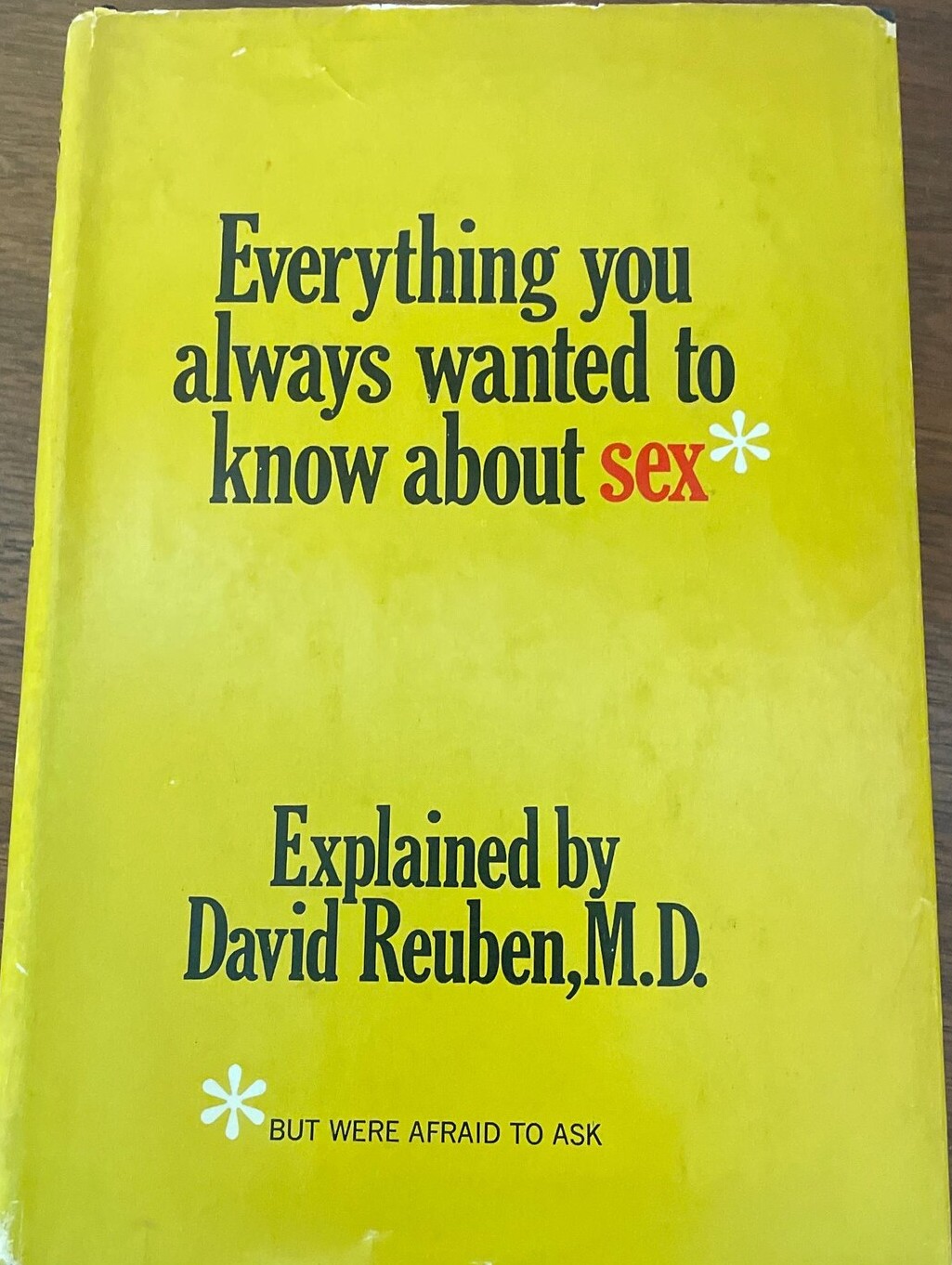
My third memorable reading experience involved my continued interest in reading about the “birds and the bees.” One day, I was heading home from school and stopped at the corner store. I was buying Buddig cold cuts when my eyes were drawn to a yellow cover on the paperback rack, and I heard the angels sing. Since all of my sex ed had come from novels, David Reuben’s Everything You Always Wanted to Know About Sex, a compendium of “expert” information, was something I just had to get my hands on. So after handing over $1.25 from my hard-earned waitress tips, I took it home in a brown paper bag and stuck it under my mattress. At this point in my teen years, I was not only attending high school classes in the morning, but then driving to Eugene for a few community college classes, returning to Cottage Grove for my waitressing shift at Pep’s Drive-In, plus trying to see my boyfriend; however, I managed to read a few pages now and then to complete my education. (Yes, it later became controversial over some of the misconceptions and views. For more information, read this article.)

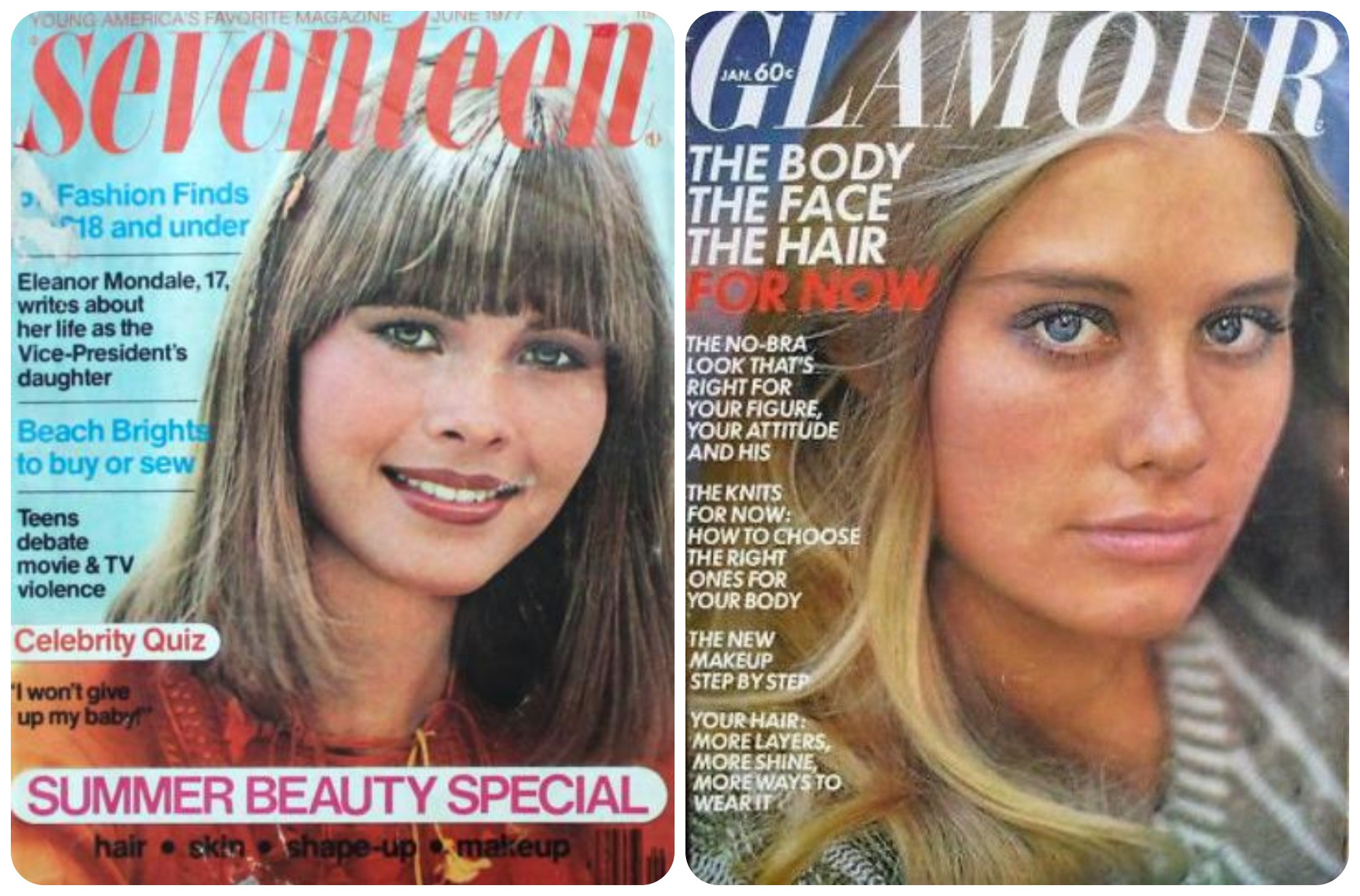
Next post, I’ll cover how I learned to love (some) assigned reading and discovered more trashy magazines.

If you missed my earlier reading history posts, you can find them by scrolling a few posts down.

Going To the Right: The Tween Years (Updated April 2026)

Thanks to everyone who is following my reading journey. If you missed my previous musings, links are at the end of this post.

Once I exhausted all of the mystery series and started finding the children’s books a little, well, childish, I decided it was time to make a run to the right of the desk where the adult books were shelved. So one day, I skulked past the gimlet eye of Miss Clark and entered a whole new world of books. At first glance, many seemed a bit beyond my ken, but it didn’t take long to discover a treasure trove of books with “teen” spine stickers mixed in with the fiction. After loading my arms for the long trek home, I soon found myself immersed in the exciting new world of teen troubles.

ipiccy teenYoung Adult Books, 1950s/1960s Style

As a dweeby sixth-grader with frumpy dresses and a home perm who so badly wanted to be popular, I found books by Anne Emery and Rosamond du Jardin a balm for my tween angst. All dealt with teen trials and tribulations, both frivolous and thoughtful, but mostly I identified with the stories where the main character was trying to be part of the cool kids’ group. Oh, and boy trouble…

Anne Emery’s Dinny Gordon series featured a teen whose career goal was to be an archaeologist, which sparked my interest in also exploring ruins and going to Egypt (spoiler alert: it didn’t happen). The series covered Dinny’s freshman through senior years, and I devoured them all. Another favorite by this author was The Popular Crowd, which I read multiple times.

Rosamond du Jardin wrote in a similar vein, and I plowed through all of her books, such as Class RingBoy Trouble, and One of the Crowd, which were all part of the Tobey and Midge Heydon series. Here is a lovely description of parents in a simpler era:

“The Heydon family resides in the town of Edgewood where Mr. Heydon sells plumbing supplies and Mrs. Heydon is a homemaker who enjoys baking chocolate cakes and lemon cream pie.”

I also read books by Janet Lambert and Betty Cavanna, and continue my interest in the medical profession, novels like Candy Stripers. Occasionally, I wandered into the nonfiction aisle and picked up books on Oregon history (Sacajawea was a favorite) and astronomy.

Mad about Magazines

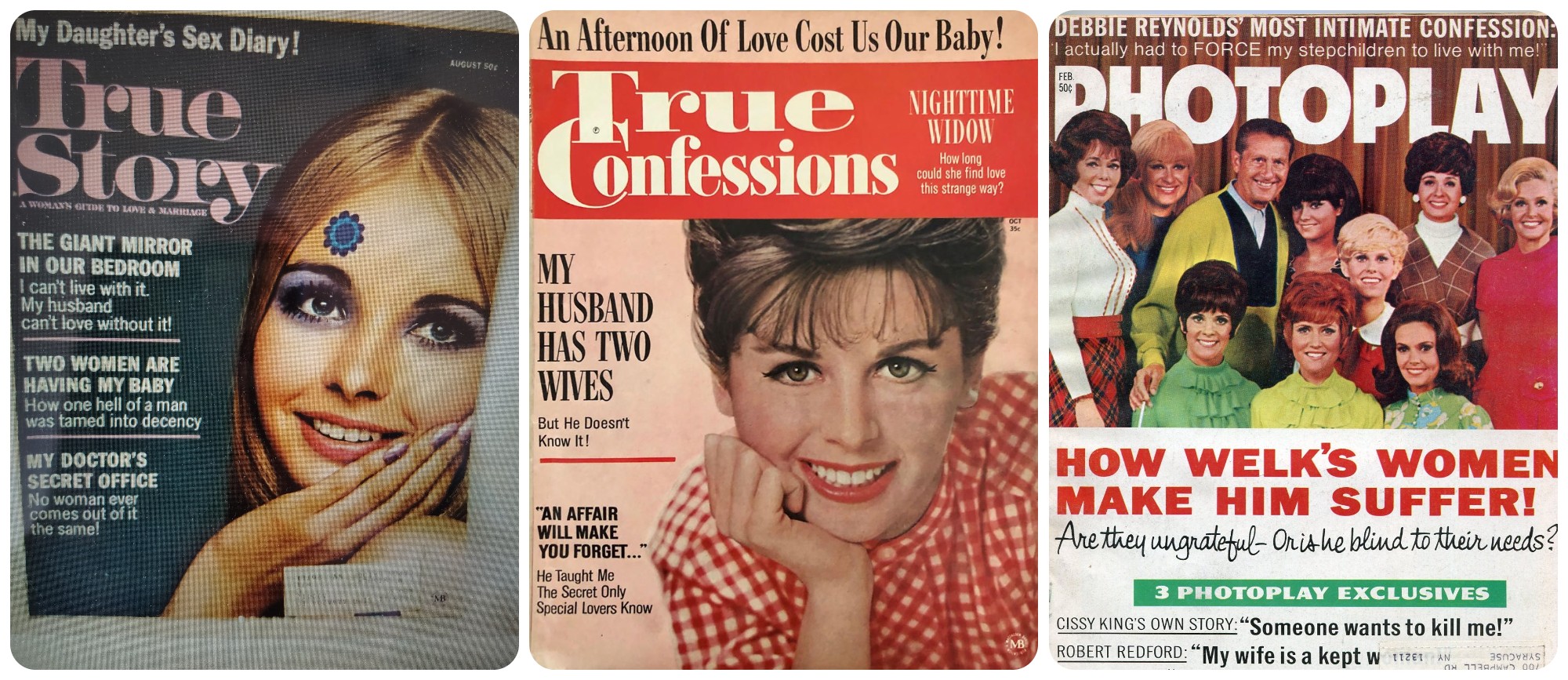
As I mentioned in an earlier post, my magazine addiction started in grade school with the distribution of the Weekly Reader, and it wasn’t long before I got hooked on the hard stuff. In 1964, the Beatles took over the imagination of tween/teen girls (and yes, I was one, although I became more of Herman’s Hermits fan), and I started noticing magazines such as ‘TeenTiger Beat16, and more. With such lurid headlines as “Beatles Weird Wishes” and “Herman’s Wild Life!” it was easy to part with my allowance so I could follow the latest about my idols.

ipiccy mags

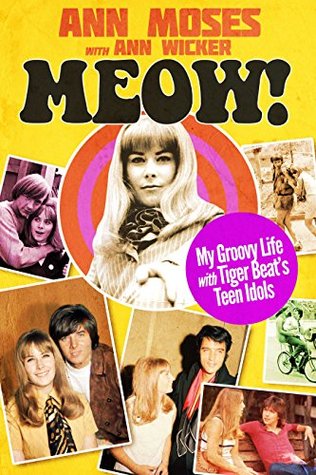
16 Magazine was my favorite, and I remember a contest where one “lucky” Meowreader could win Herman’s (Peter Noone) snaggle canine tooth he’d had removed. (I hope no one thinks less of me when I admit I actually entered that creepy contest.) I didn’t read Tiger Beat very often (think it was hard to find), but I enjoyed Ann Moses’ recent memoir, Meow!: My Groovy Life with Tiger Beat’s Teen Idols, with lots of juicy behind-the-scenes revelations and interactions with the stars of the day.

‘Teen magazine was another fave that I read religiously. I don’t remember many of the articles, but I did lust after the fashions (especially the go-go boots) and perused the Pen Pal page to see who might have the same interests I did–you know, books, boys, and surfing–OK, so maybe I didn’t surf, but it was cool to think I could.

madI also discovered MAD magazine, and even though I’m sure much of the content went right over my head, I thought it was hilarious, especially the movie and TV show satires. I still remember my brother and me listening to the 33 1/3 RPM record insert of “It’s a Gas” and giggling uncontrollably. If you have never had the pleasure of hearing this classic, listen to it here.
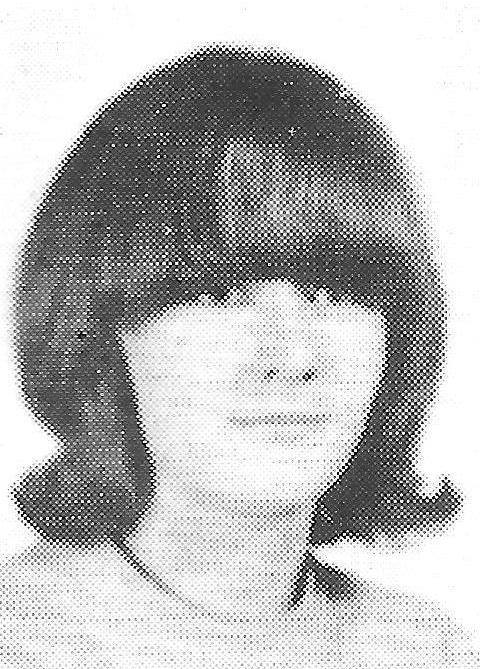
 

(NOTE: photo below is after I discovered I could be cool when I emulated Cher’s look.)

Next up: I discover smut and the start of my love for psychological suspense. 

roibn 8th

8th grade, trying hard to be groovy

Earlier posts:

The Very Early Years

Chapter Books

Nancy Drew and Chums


ON THE HIPPIE TRAIL: Istanbul to Kathmandu and the Making of a Travel Writer by Rick Steves

This was an easy-to-read and fun look at Rick Steves’ first foray into reporting on foreign countries outside of Europe. When he was 23, he took a break from teaching piano (who knew?) and, along with a buddy, decided to travel the “Hippie Trail,” a popular itinerary in the Middle East and South Asia among young people in the late 1970s. As he traveled, he kept a detailed journal, which he found years later and decided to lightly edit the entries and publish, along with providing numerous photos and journal samples.

Despite the “white male privilege” aspects, where his self-awareness went by the wayside a few times, Rick’s journey was fascinating. And while some have criticized his writing skills and observations, one must consider his age and limited life experiences. However, I found the narrative very appealing and think it could be enjoyable to listen to as he narrates the audiobook.

If you are a fan of Rick Steves, pick this up to enjoy the beginnings of his writing and traveling career. This would also make a lovely gift, as the print book features high-quality paper and numerous photos.

After writing the above review, I came across another book with the same itinerary set at the same time period, featuring a very similar cover. Strange Bewildering Time: Istanbul to Kathmandu in the Last Year of the Hippie Trail by Mark Abley was written two years ago. I haven’t read it yet (and am not sure I will), but he appears to have had many of the same experiences as Rick Steves’s, although his perspective includes more of a reflection on the trip and experiences. The reviews are mixed, with some saying it’s well-written (the author is a poet) and some saying it’s not, so who knows.

BOOKS ABOUT BOOKS – 1973-2025

Check out my updated header, where I’ve changed the photo to showcase my current collection of BoBs (Books of Books).

Please excuse a bit of self-indulgence as I share my journey of journaling books.

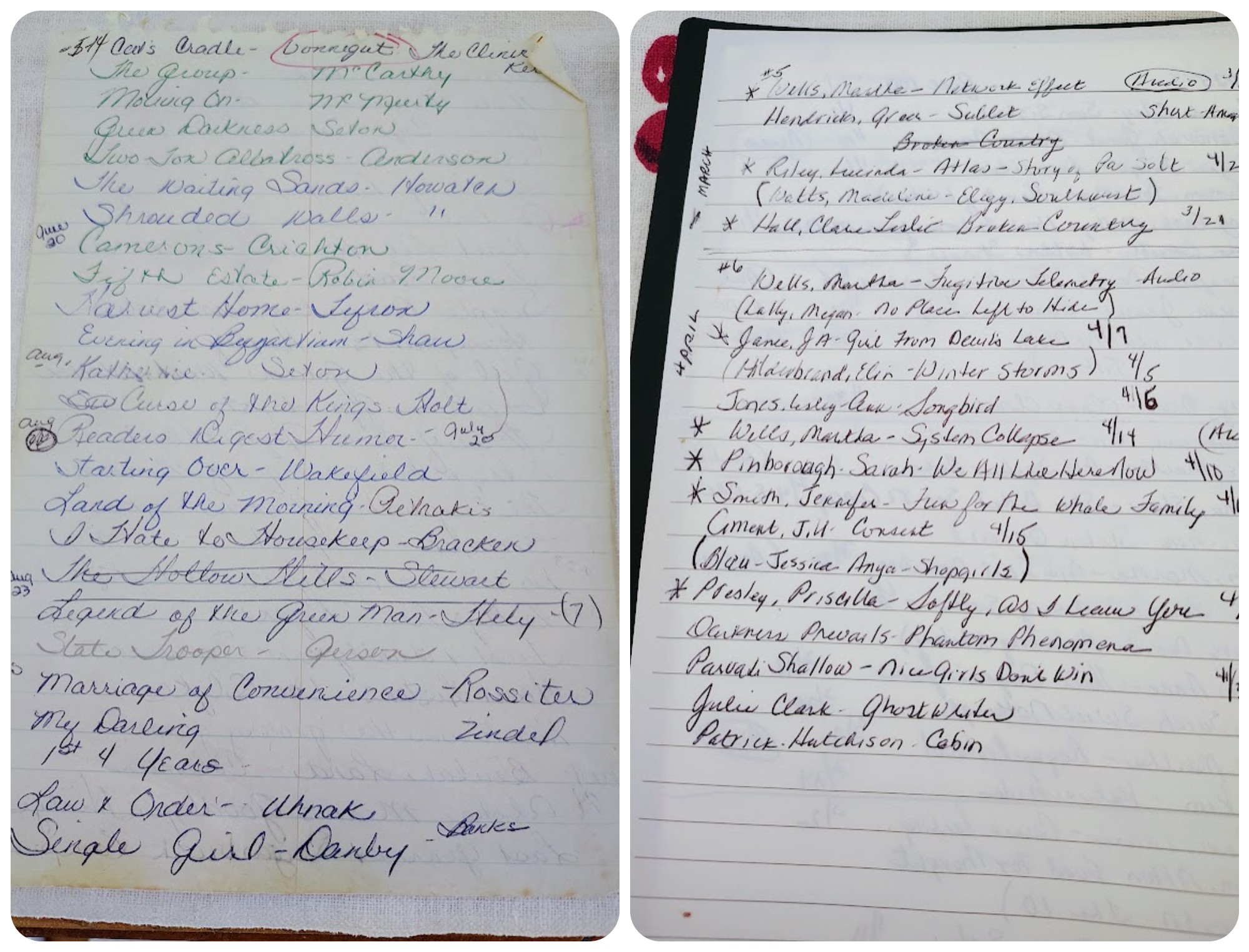
In May 1973, when we moved to Salem, Oregon, I started keeping track of the books I read, using an old steno pad. I quickly graduated to composition notebooks, finally settling on green stone paper notebooks in January 2020, which, while not particularly attractive, house wonderfully smooth writing paper. (I have a thing for smooth writing paper and pens, but that’s a post for another day — bet you can’t wait, eh?). It’s a task I have never regretted, and as soon as I close the cover of a book (or turn off my Kindle), I immediately add the title to the notebook, along with a Goodreads entry. I estimate that I have over 5,000 books noted in this collection of BoBs. It’s great fun to look back over what I’ve read and how my reading tastes have evolved, although upon reflection, they haven’t changed too much (looking at you, gothic novels), except by adding some new genres and topics.

It’s also amusing to see how much my handwriting has changed. Below is a photo of my first page in August 1973, and on the right is my current page. I am always surprised by how much I can remember just by seeing the book title, along with an occasional note about where I was while reading it (I still remember reading Flowers in the Attic on a beach in Lake Tahoe).

If you don’t keep track of your reading, start doing so; you will never regret it, and it’s a valuable tool for refreshing your memory on what you enjoyed over the years.

And taking a page from readers’ advisor extraordinaire, Joyce Saricks, I put them in the fireproof safe when we travel. One can’t be too careful with critical historical records.