
Thanks to everyone who is following my reading journey. If you missed my previous musings, links are at the end of this post.
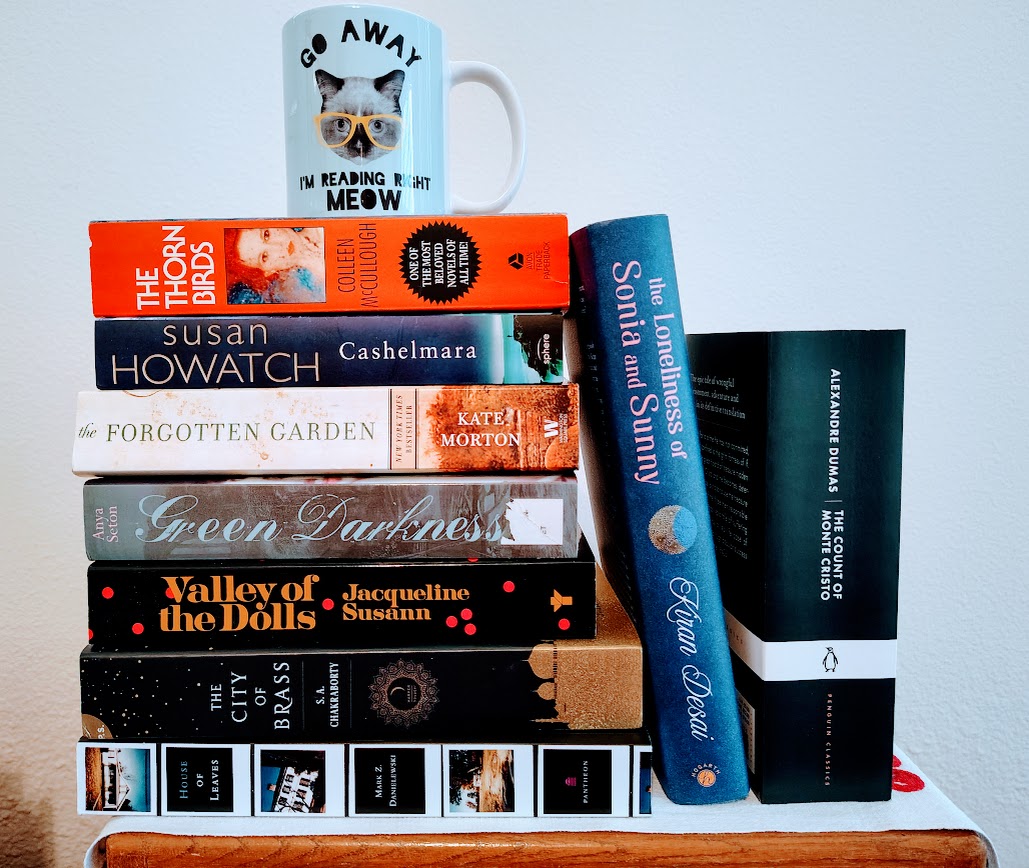
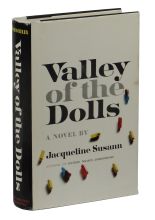 One day in 1966, when I was in the 8th grade, I was perusing the rental shelf (5 cents per day, if I remember correctly), when my eyes spied a book I had recently heard about, the groundbreaking Valley of the Dolls by Jacqueline Susann. When I took it to the desk, Miss Clark looked at it with her gimlet eye (and even though she was very nice, she always looked at my adult books with this kind of an “eye”) and said I needed a note from my “mommy” to check it out. What happened after that shaped my reading life forever.
But before that happened…
Gothic Love
After I finished the “teen” books in our small library, I asked Miss Clark what I should  read next, and she recommended Mistress of Mellyn by Victoria Holt. I wish Miss Clark were still alive so I could thank her for how she changed my life. First of all, I was so enamored of the story, setting, and shocking revelation at the end that to this day, there’s nothing I like better than a good Gothic novel with a creepy manor setting, a sense of unease, and a twist that knocks my socks off. And secondly, her help made me realize how much fun it can be to help someone find just the right book for their reading pleasure.
I went to read the rest of Victoria Holt‘s oeuvre, including Bride of Pendorric, The Legend of the Seventh Virgin, Kirkland Revels, and more. After that, I scoured the shelves for books by other authors with covers featuring terrified women fleeing manor houses with menacing towers, or other dark, foreboding dust jackets that would send chills down my spine. I read books by Phyllis Whitney, Dorothy Eden, Mary Stewart, Barbara Michaels, and anything else with phallic symbols on the cover.
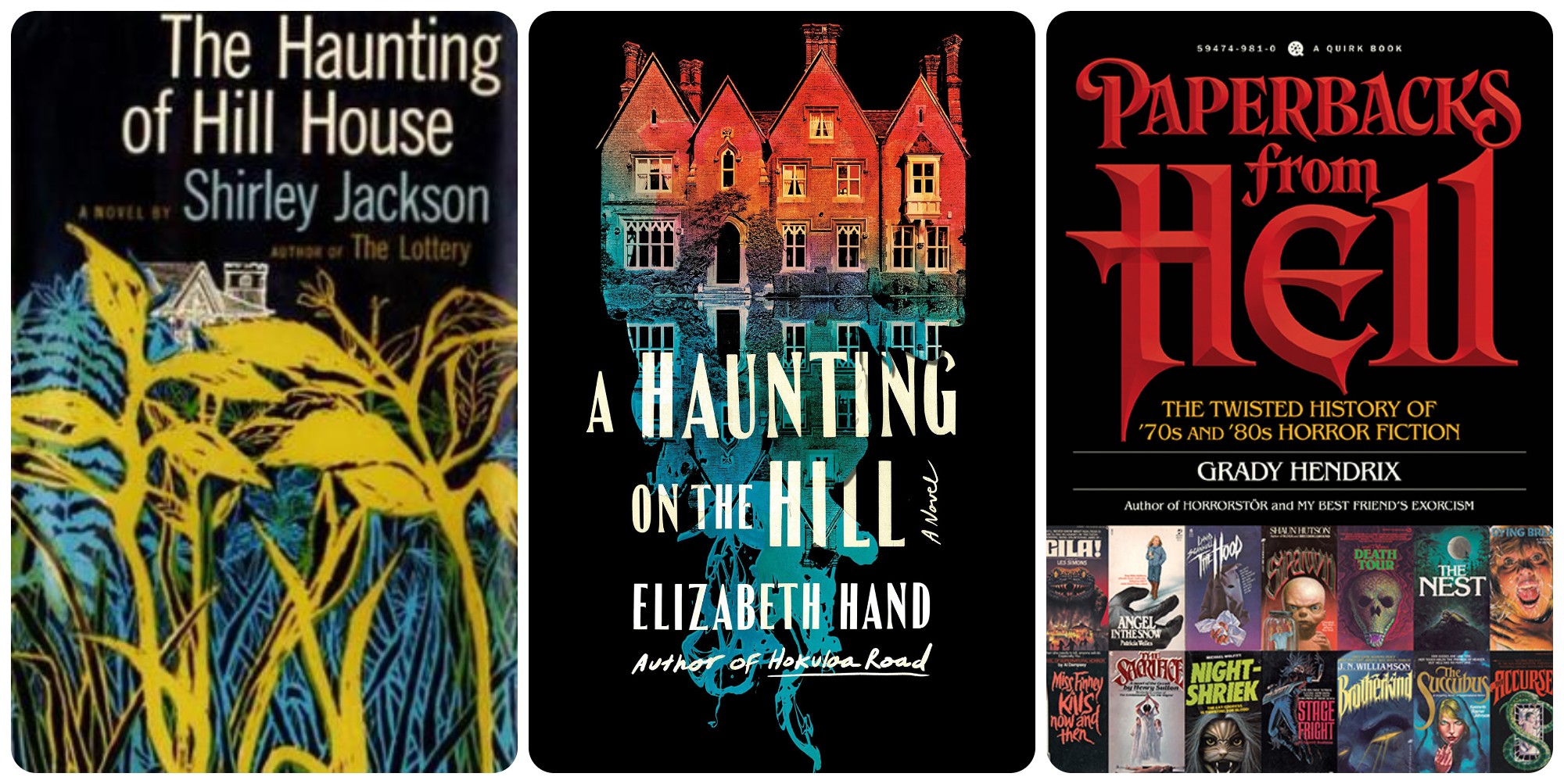
 Yes, that’s right. Did you know that back when gothic novels were “hot,” book cover artists were instructed to create covers with towering phallic symbols? Who knew? You can read all about it in my review of Grady Hendrix’s Paperbacks from Hell. Hmm, maybe the subliminal message went into my subconscious, which may have influenced my next reading obsession…
The Blue Years
When Miss Clark told me I needed a special note to check out Valley of the Dolls, I must have looked at her with puppy dog eyes and said something like, “Oh, Miss Clark, you’ve known me for a long time. May I please take it today?” And she relented. I was absorbed from start to finish, and, quite frankly, I can’t tell you anything about the plot or characters. I’m sure some issues went over my 13-year-old head, but I was ready to read more of this kind of book. I’m sure by today’s standards, the content would be relatively mild (and I did end up reading worse a few short months later, but I’ll get to that in a minute), but it was reasonably risqué for that time.
 After that, it was a short coaster ride down the slippery slope to reading more smut. It wasn’t long before I discovered novels by Harold Robbins, such as The Carpetbaggers, but my favorite was The Adventurers, where I even learned a few “bad” words in Spanish. Heh.
(If you have read his books and have the time, this 2019 article about Harold Robbins is fascinating.)
Then my stepmother started watching the TV series based on Grace Metalious’ shocking Peyton Place, so how could I resist getting the book, which was described as “…a tale that includes incest, abortion, adultery, lust, and murder.” Hooboy! Right up my trashy teen alley! I bought it at the corner drugstore (for 95 cents) and inhaled it along with the sequel, Return to Peyton Place.
Next up were William Goldman’s Boys and Girls Together (the same author who would later write The Princess Bride and Marathon Man), Robert Rimmer’s The Harrad Experiment, and even Kyle Onstoff’s Mandingo (and sequels if I could find them). What can I say? If the paperback had a lurid cover, I would easily part with some of my hard-earned allowances.
But Where’s the Carnival?
One day during my 8th-grade language arts class, a boy who sat behind me handed me a paperback book to read, and since by now everyone has pretty much noticed I’ll read just about anything, I took it. I don’t remember the full title, but the word “Carnal” was in it (no, it wasn’t “Carnal Knowledge”), and I thought it sounded interesting. Well, it turned out to be pure explicit porn, but that didn’t bother me as much as trying to figure out why the “carnival” was never featured! Silly me, eh? (Side Note: The boy who loaned me the book seemed a little disappointed when I handed it back, saying it was an interesting story. I think he expected me to be shocked.)
(When I was doing readers’ advisory, and a parent expressed concern when a tween/teen wanted to check out a book with “content,” I usually responded that I read Valley of the Dolls when I was 13 and I turned out OK–well, I think I did anyway. I never told them about the “Carnival” book.)
But not everything I read was considered trash. Next post, I’ll get into my late teen years and how a book finally taught me the real “facts” about the birds and the bees.
 Young Adult Books, 1950s/1960s Style
 reader could win Herman’s (Peter Noone) snaggle canine tooth he’d had removed. (I hope no one thinks less of me when I admit I actually entered that creepy contest.) I didn’t read Tiger Beat very often (think it was hard to find), but I enjoyed Ann Moses’ recent memoir,
  I also discovered MAD magazine, and even though I’m sure much of the content went right over my head, I thought it was hilarious, especially the movie and TV show satires. I still remember my brother and me listening to the 33 1/3 RPM record insert of “It’s a Gas” and giggling uncontrollably. If you have never had the pleasure of hearing this classic, listen to it
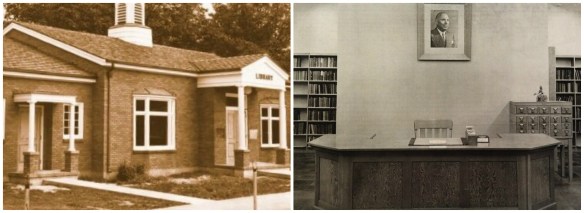
 My memory of walking into the Cottage Grove Public Library and inhaling that unique “old books” scent is as vivid as if it happened yesterday, but what I also remember is the feeling of anticipation to see what new books awaited me for my reading pleasure–and that hasn’t abated a whit since then. It wasn’t long before I discovered books in series and that I loved following a particular character. I don’t recall reading many Beverly Cleary books (except for Fifteen in my later years), but I loved Carolyn Haywood’s Betsy series.
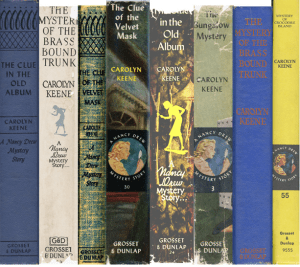 mysteries I hadn’t yet read. I don’t think the library had a system for reserving books (or if they did, the librarian, Miss Clark, never offered, as she might have known she’d be pestered to death), so I would rely on my memory to remember what I had read. I liked some more than others, and the ones I liked best probably took place in mansions. (As an adult, I relived my “Drew” years by reading Chelsea Cain’s delightful
  If you are close to my age, you probably remember singing along to the opening of the Mickey Mouse Club — “Hey There! Hi There! Ho There! You’re as welcome as can be!” But what I loved most were the introductions of the club members and Annette’s appearance! Y? Who knows, I just know she fascinated me, and I was thrilled to find she was featured in a mystery series I found at the five-and-dime store, Knickerbocker’s.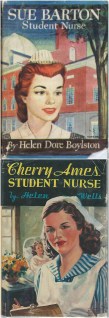
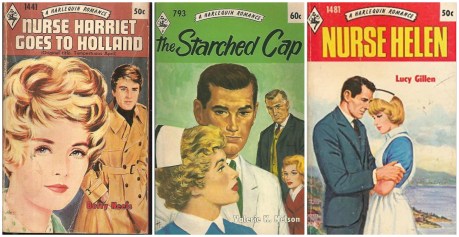


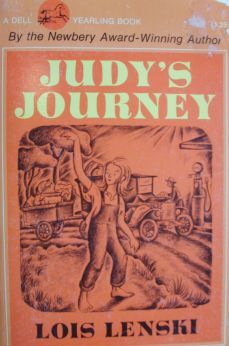 in the rear with a stack of books that appeared thicker than the easy picture books and readers from the first grade. I didn’t care that they were above my grade level; I just wanted to burrow my face into the stack. I don’t remember when we were allowed to select what we wanted to haul home (although I do remember taking more books than I had time for, a practice that continues to this day). But I do remember Miss Rorrer reading us a chapter a day from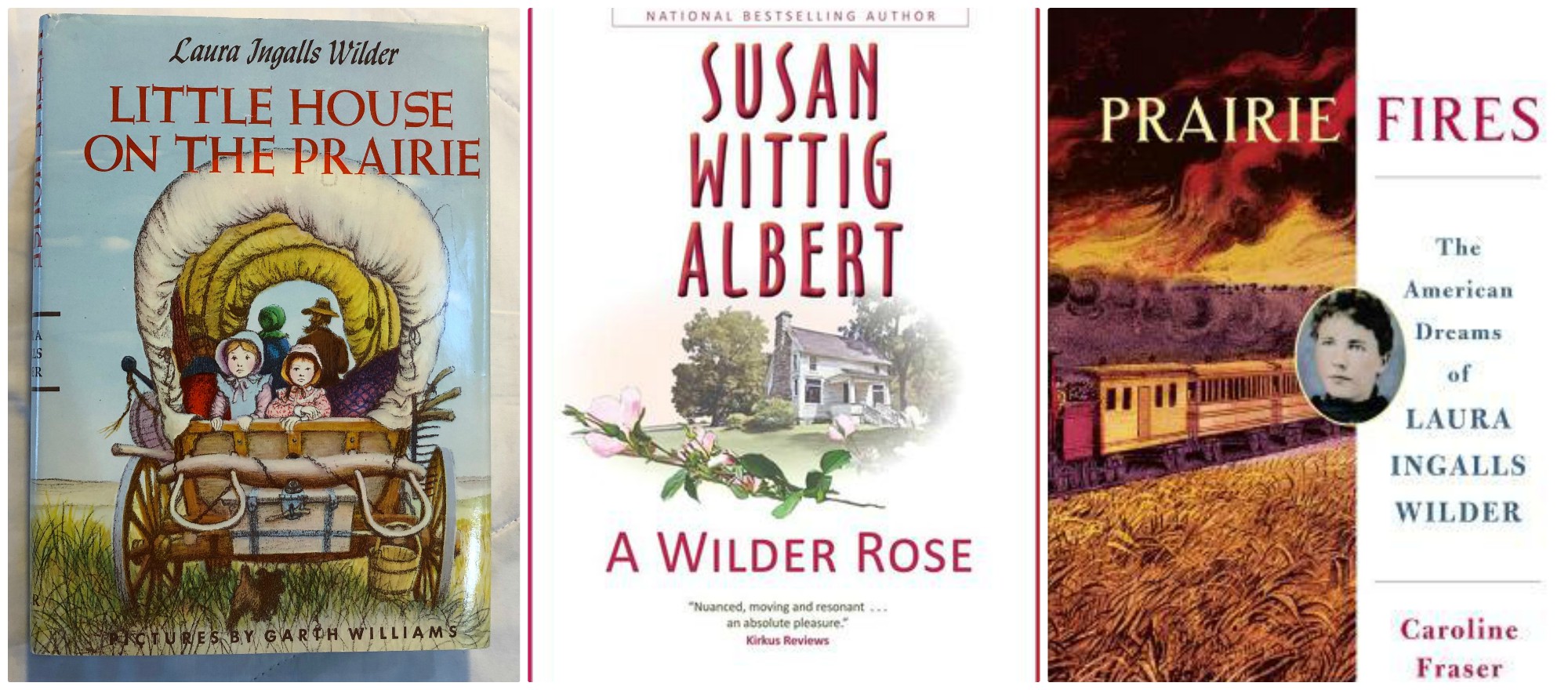
 I don’t know how old I was when I discovered


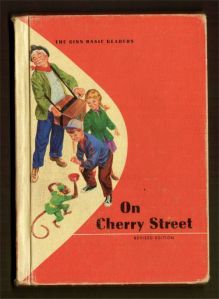
 But what I’ve never forgotten are my trips to the Cottage Grove Library and how much of a treat it was to haul home a huge stack of picture books.


 ROBIN'S BOOKS