
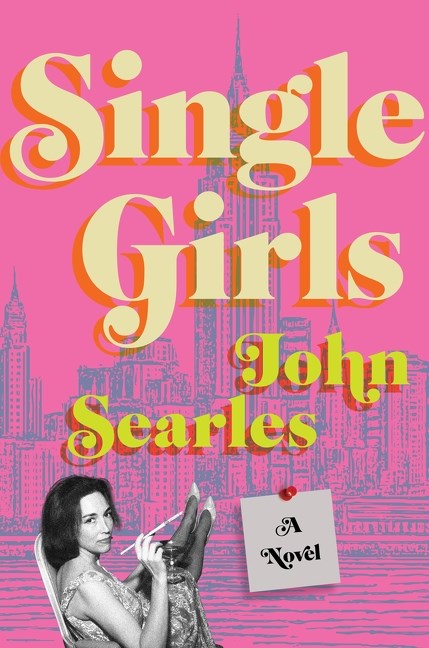
Today’s blog background is pink in honor of the July 7 publication of Single Girls by John Searles.
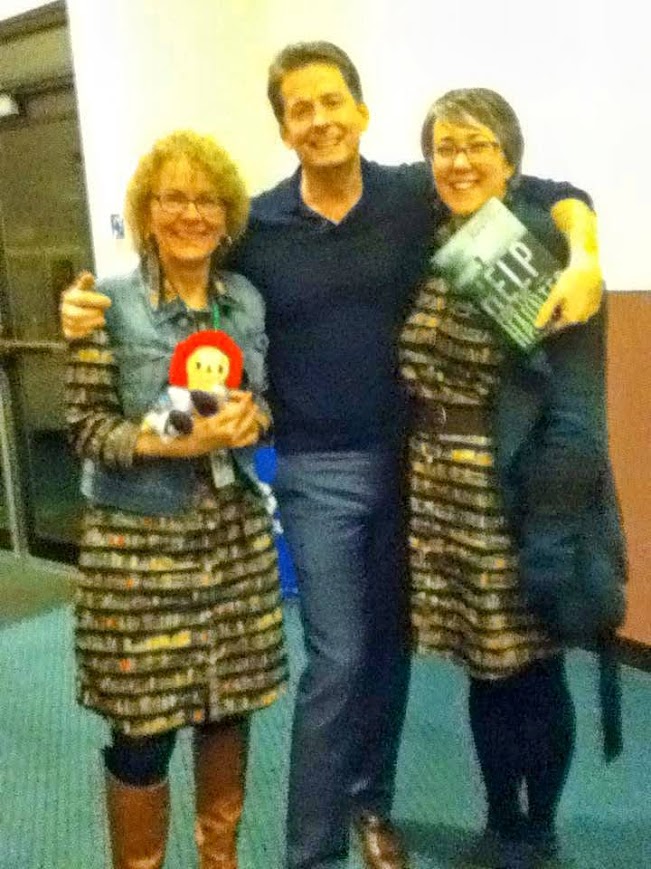
John Searles appeared at the Salem Public Library in 2014 to promote Help for the Haunted, and we discovered that not only is he a talented author, he’s also a super nice guy.
His next book is a novel about Helen Gurley Brown, the editor who took Cosmopolitan magazine to new heights of popularity by understanding her target audience and pushing the boundaries of what was acceptable to print in the 1960s. Single Girls traces her early life, where she started her career as an advocate for the sex lives of single women by publishing Sex and the Single Girl in 1962. It continues with how she transformed a failing magazine into Cosmopolitan, a magazine many have known and loved over the years. John Searles knew and worked with HGB for 25 years and is more than qualified to write this fascinating tribute to her journey of becoming a powerful woman.
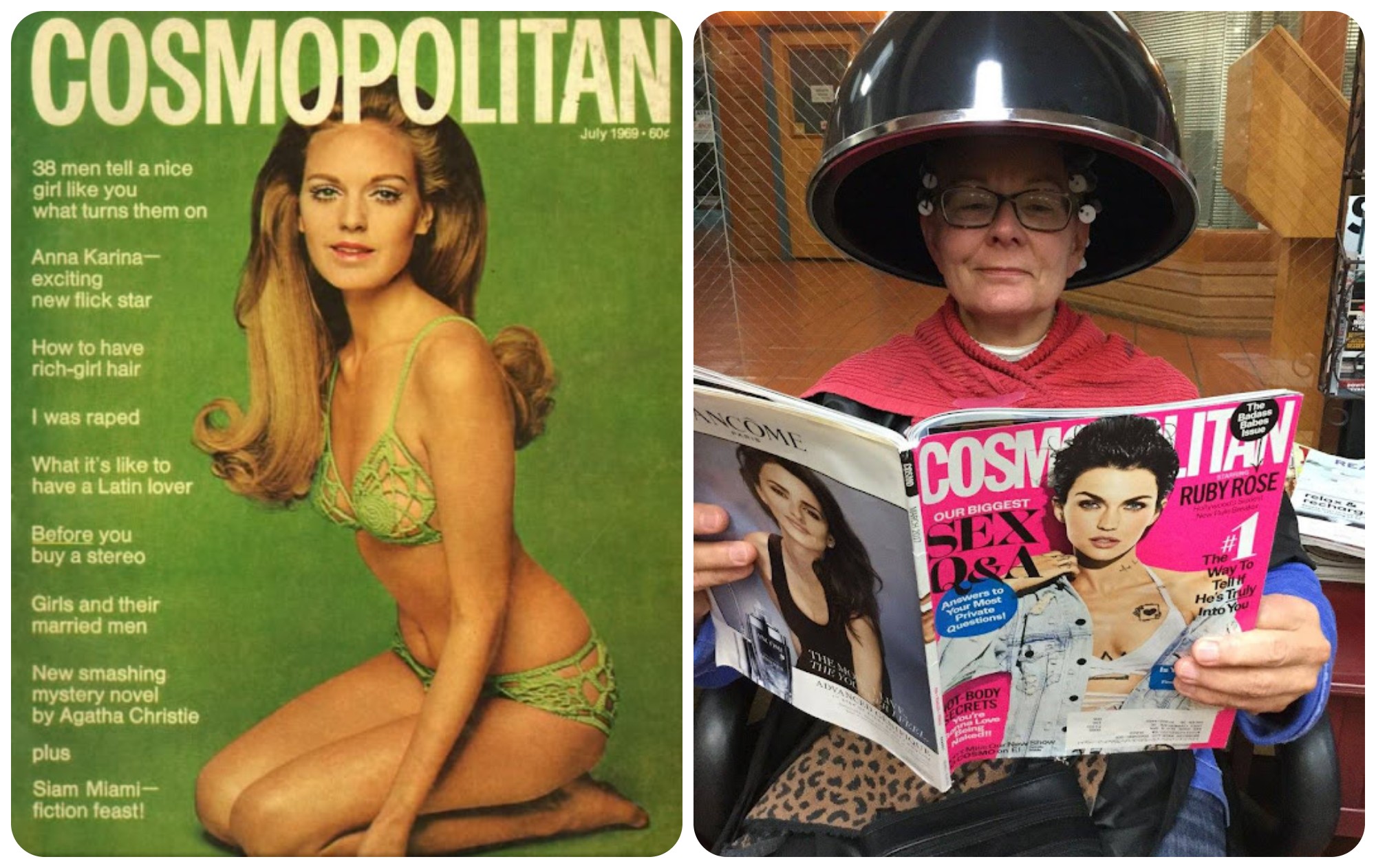
As a young teen in the mid-1960s, I was a little “young” to appreciate this magazine (but I do remember the cover with the crochet bikini), and since I married on my 20th birthday, I never felt like I was the intended demographic for the articles, but I went on to avidly read it whenever I went to the hair salon. Does anyone remember when the covers with the scandalous article titles were censored at the supermarket checkout line by placing metal shields over the bottom 2/3 of the magazine?
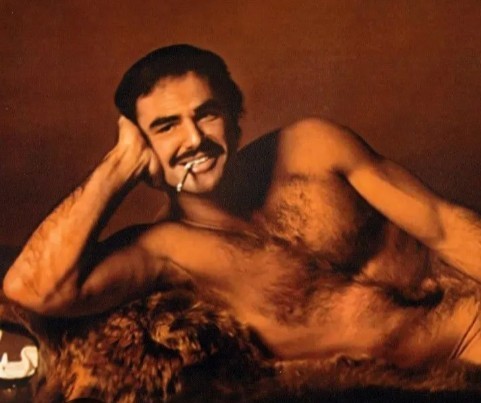
And, if you were around in 1972, who can forget the iconic poster of Burt Reynolds as the Cosmopolitan centerfold, wearing nothing but a smile, a lot of body hair, and a droopy cigar?
Even if you have never opened an issue of Cosmopolitan and know nothing about HGB, I highly recommend John’s book. It is chock-full of memorable and compelling characters (not the least is HGB’s famous movie director husband), a trip back in a time machine that looks at the culture of the 1960s, and a charming, funny, and sassy novel about an amazing woman.
[I don’t often recommend this, but read the “Afterword” before the book; it will give you a better idea of why the author is qualified to write it, along with some notes on structure.]


Oh my gosh look at us! So young and in our matching dresses!
LikeLike
Love this!! And the photos are so great!
LikeLike